



Sin categoría
Why are bees endangered? Main threats and how to reverse them
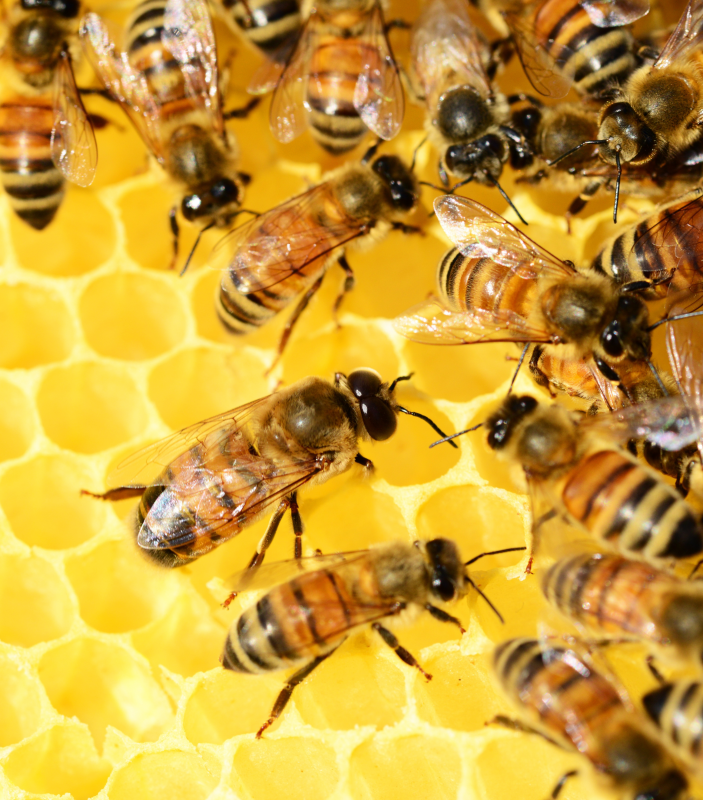
At El Serralet, we are well aware of the vital work that bees do, and today more than ever they are in danger. In this post, we take a detailed look at why bees are endangered, what the most pressing threats are, and how we can reverse this situation.
1. Habitat loss and fragmentation
Agricultural and industrial expansion is destroying natural areas where bees find flowers and shelter. In addition, urbanization fragments their environment, hindering their movement and weakening wild hives.
Use of chemical pesticides (neonicotinoids)
Systemic pesticides such as neonicotinoids directly attack the nervous system of bees. Although they are banned in the EU, they are still used in some countries, causing subtle but devastating effects on their behavior and reproduction.
3. Diseases, viruses, and mites (Varroa)
The Varroa destructor mite is the number one enemy: it feeds on bees, transmits viruses (such as deformed wing virus), and can destroy a hive in 2–3 years. In addition, fungi and bacteria further aggravate their health.
4. Climate change and extreme events
Droughts, heat waves, and heavy rains disrupt flowering cycles, reduce nectar, and make it difficult for colonies to survive. In Texas, beekeepers have lost 66% of their colonies, mainly due to extreme weather events.
5. Emerging threats: microplastics, light pollution, and conflict zones
A report by Bee:wild warns of twelve new dangers, including:
- Agricultural change due to wars reduces floral diversity
- Microplastics that alter your memory and health
- La contaminación lumínica inhibe el acceso a flores nocturnas
6. Colony collapse disorder (CCD)
The phenomenon known as Colony Collapse Disorder causes the mass disappearance of worker bees even when the queen and food are present. Its origin is complex: a combination of pesticides, pathogens, stress, and Varroa mites.
Global impact
In the US, up to 62–70% of beehives have been lost in a single year, threatening key crops such as almonds and blueberries. In addition, there is a direct risk to biodiversity and food security.
Conclusion: Why are bees endangered?
| Factor | What causes it? |
| Habitat destroyed | Fewer flowers, less shelter |
| Pesticides | They affect your health and behavior. |
| Pathogens and Varroa | Cascading diseases |
| Climate change | Flowering disturbance |
| Emerging pollution | Microplásticos y luz |
| Others (wars, monoculture farming) | Less floral diversity |
All these threats are hindering their vital work. If pollination fails, 75% of our crops and global biodiversity will be weakened.
What now?
This article focuses on why bees are endangered and the current threats they face. We will soon be publishing another post on how to protect them, aimed at everyone.